How to Choose the Best Windows for Energy Efficiency
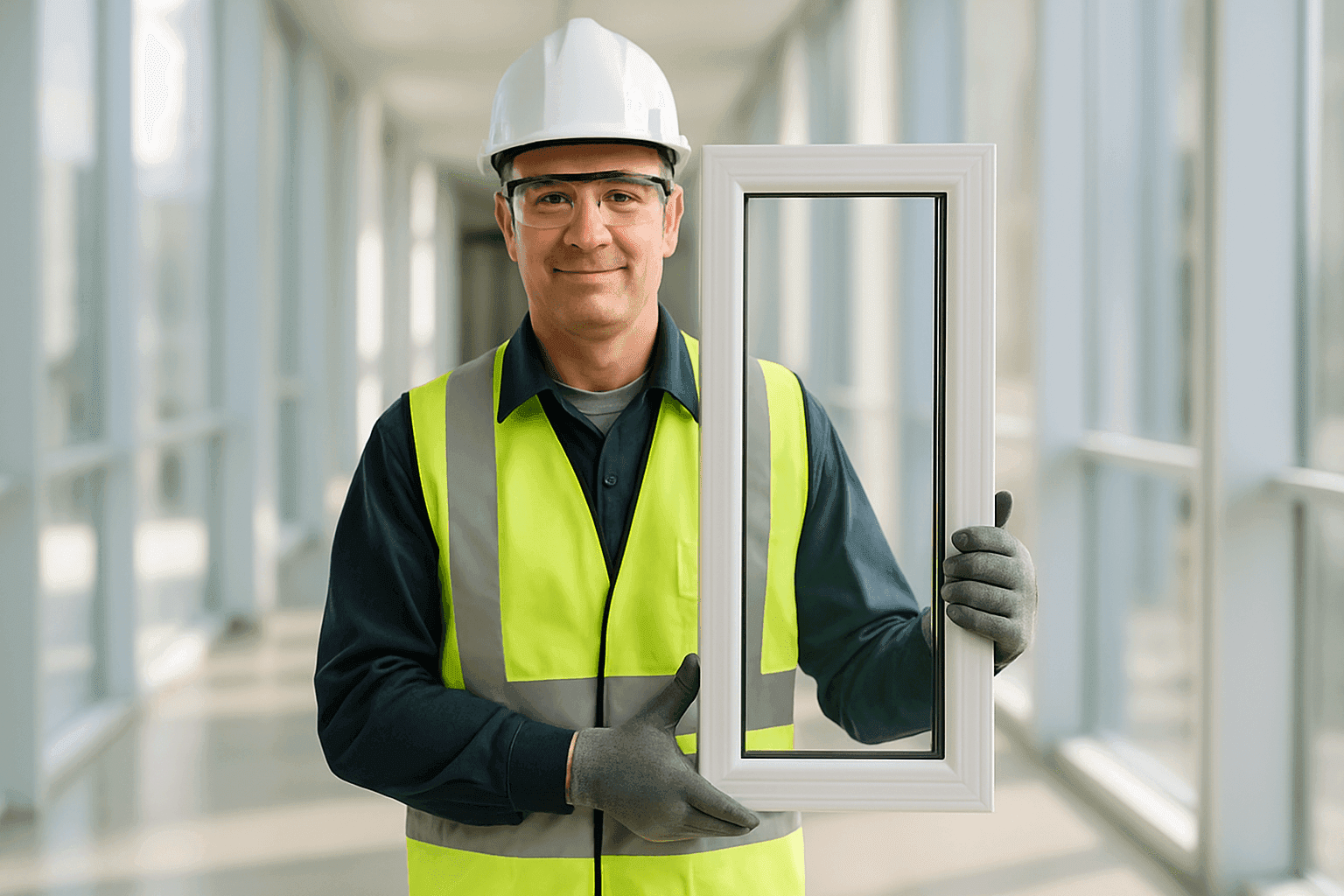
Choosing new windows feels like standing at a crossroads. You want comfort. You need savings. But what matters most—efficiency, cost, or looks? With so many choices out there, it’s easy to feel lost.
At CMA Windows, we see this every day. Both homeowners and business property managers want to invest wisely. Energy efficiency isn’t just a buzzword—it’s a real, measurable way to cut bills, reduce drafts, and help the environment. Here’s how you can make sense of it all, step-by-step.
Understanding Window Energy Ratings: The Numbers That Matter 🌡️
Let’s break down what makes a window “energy efficient.” The answer? Ratings. These aren’t just stickers—think of them as a nutrition label for your windows.
U-Factor: The Heat Keeper
- What it is: Measures how well your windows keep heat in.
- Lower is better: Like wearing a thick winter coat, a lower U-factor means less warmth escapes.
- Residential sweet spot: For most homes, look for a U-factor of 0.30 or less. Colder regions may need even lower.
Solar Heat Gain Coefficient (SHGC): The Sun Blocker
- What it is: Tells you how much solar heat passes through.
- Lower SHGC = less unwanted heat: Great for hot climates—think sunglasses for your home.
- Balance matters: In chilly climates, a slightly higher SHGC can help capture welcome winter sunlight.
Energy Star Certification
- Why it matters: Meets government-backed standards set by the U.S. Environmental Protection Agency (EPA).
- Easier choices: Look for the blue ENERGY STAR label. It means the window has passed tough energy-efficiency tests for your climate zone.
- Local codes: Some regions require ENERGY STAR-rated windows for new builds or renovations.
Quick Reference Checklist
- [ ] U-factor 0.30 or lower (most climates)
- [ ] SHGC appropriate for your local sun/heat exposure
- [ ] ENERGY STAR label for your region
- [ ] NFRC (National Fenestration Rating Council) certification
Frame and Glazing Options: What’s On the Inside Counts
Not all windows are created equal. The frame and glass (glazing) make a huge difference—like the difference between a single sheet and a thick comforter on a cold night.
Frame Materials
- Vinyl: Affordable, low maintenance, good insulation. Can warp in extreme temperatures.
- Wood: Classic look, natural insulator. Needs regular sealing or painting.
- Aluminum: Durable, slim profile. Conducts heat—often needs a thermal break.
- Fiberglass: Strong, energy efficient, less expansion/contraction. Higher upfront cost, but lasts.
Glazing: Single, Double, or Triple?
- Single-pane: Rare today. Least efficient.
- Double-pane: Two layers of glass with air or gas between. Standard for most homes and businesses.
- Triple-pane: For extreme climates or maximum noise reduction. Can be heavier and pricier.
Gas Fills and Coatings
- Argon/Krypton gas: Fills the space between panes. Better insulation than air.
- Low-E (low-emissivity) coatings: Thin, invisible layers that reflect heat while letting light in. Keeps rooms cooler in summer, warmer in winter.
Actionable Tips
- Choose double- or triple-pane with gas fill for best results.
- Low-E coatings are a must for sun-facing windows.
- Match frame material to your climate and style preferences.
Assessing the Best Fit: Climate, Property Type, and Real-World Scenarios 🏡
The “right” window for a downtown office isn’t the same as for a mountain cabin. Here’s what to consider:
Climate
- Cold: Prioritize low U-factor and higher SHGC.
- Hot: Aim for low SHGC, Low-E coatings, and good ventilation.
- Mixed: Look for balanced ratings; talk to a window specialist about local codes.
Property Type
- Residential: Comfort, curb appeal, and ease of cleaning matter. Double-pane is often ideal.
- Commercial: Durability, security, and soundproofing are key. Consider triple-pane or impact-resistant options.
Scenario 1: Suburban Homeowner
You want lower energy bills and a quieter home. Choose vinyl or fiberglass frames with double-pane, gas-filled, Low-E coated glass.
Scenario 2: City Office Manager
Noise and security are top priorities. Look for aluminum or fiberglass frames with triple-pane glass and reinforced locks.
Scenario 3: Historic Building Owner
Preserve character with wood frames and specialty glazing that meets code but fits the original look.
Quick Safety & Code Checklist ✅
- [ ] All windows meet local building codes and safety glazing requirements (refer to the International Residential Code or your local authority).
- [ ] Tempered or laminated glass for areas near floors, stairs, or doors.
- [ ] Secure locks and proper installation to prevent forced entry.
- [ ] Egress windows in bedrooms for emergency escape.
DIY vs. Call a Pro: When to Get Consultation Near You
Some projects are perfect for the ambitious DIYer. Others need a professional touch.
DIY
- Replacing a single window of the same size and style
- Minor hardware fixes (locks, cranks, weatherstripping)
- Cleaning and basic caulking
Call a Pro
- Full home or business upgrades
- New openings or changes to size/style
- Structural or code compliance questions
- Historic or specialty windows
Remember: improper installation can negate all your energy savings. It’s like wearing a raincoat with holes.
What Pros Do on Arrival
When you schedule a consultation near you with CMA Windows, here’s what to expect:
- Inspect current windows and frames for leaks, rot, or damage
- Measure for precise fit—no guessing
- Review your climate, building codes, and needs
- Recommend frame and glazing options tailored to your property
- Explain timelines, materials, and steps—no surprises
Prevention & Maintenance: Keep Performance High 🔧
Even the best window needs care. Here’s how to keep yours at peak efficiency:
- Clean tracks and glass regularly
- Check weatherstripping every season
- Inspect for condensation or drafts
- Lubricate moving parts annually
- Reseal caulking as needed
A little maintenance goes a long way. Think of it as oiling the gears of a well-loved bike.
Costs & Time Factors: What to Expect
Window projects vary. Here’s what influences cost and timelines:
- Material: Fiberglass and triple-pane cost more than vinyl and double-pane.
- Labor: More windows or structural changes mean more time and higher labor costs.
- Custom vs. standard sizes: Custom takes longer to order and fit.
- Permits: Some areas require permits—check with your local building department.
On average, replacing a window takes a few hours. A whole-home or business installation may stretch over several days.
When It’s an Emergency
Cracked pane? Stuck window? Sudden draft in the middle of winter? These can be urgent—especially for security or safety.
- Cover broken glass with a board or heavy-duty plastic until help arrives.
- Avoid using windows with cracked glass or broken locks.
- For rentals or commercial buildings, notify the property manager immediately.
FAQ
What’s the difference between double- and triple-pane windows?
Double-pane has two glass layers; triple-pane has three. Triple-pane gives better insulation and soundproofing but may cost more and add weight.
How do I know if my current windows are energy efficient?
Look for the ENERGY STAR label or check the U-factor and SHGC on the NFRC sticker. If you feel drafts or see condensation, it may be time to upgrade.
Can I install new windows in an older building?
Yes, but check local codes and consider professional consultation. Historic properties may need special frames or glass to match the original look.
Will new windows really lower my energy bills?
Efficient windows can reduce heating and cooling costs—sometimes by 10–25%, according to the U.S. Department of Energy.
Local and Seasonal Considerations 🌦️
Your best window choice depends on where you live and what your building needs.
- Humid climates: Choose frames and seals that resist moisture and mold.
- Storm-prone areas: Consider impact-resistant glass and reinforced frames.
- Cold winters/hot summers: Low-E glass and tight seals keep comfort in, weather out.
Check the Department of Energy’s climate zone map or talk to a local building official for specifics.
The Long-Term Value: Why Professional Consultation Matters
Energy-efficient windows aren’t just about today’s bills. They’re about long-term comfort, lower maintenance, and a smaller carbon footprint. The right choices can boost property value, reduce noise, and make every room feel just right.
But every property is unique. That’s why a professional consultation near you is key. You get answers, not guesswork. And you avoid costly mistakes.
Ready to upgrade your windows? Get honest advice, quality installation, and support every step of the way.
Call CMA Windows now — or reach us anytime at 888-871-6178 .