How to Spot Window Damage After Severe Weather
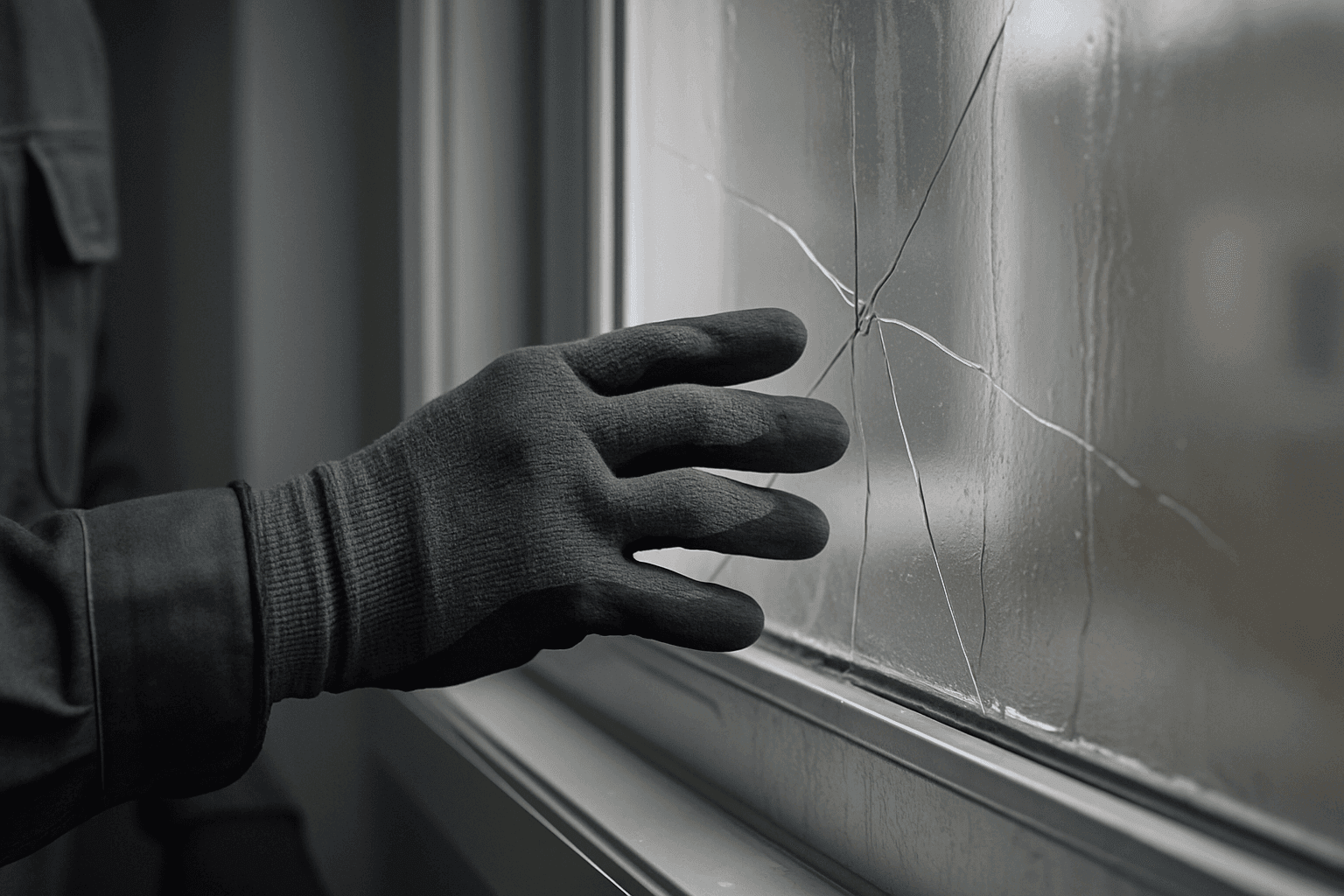
When the sky clears and the wind finally settles, you’re left with more than just scattered leaves on your lawn. Your windows stand guard during every storm—shielding your home or business from rain, hail, and flying debris. That protection comes at a cost. Small cracks, hidden leaks, and seal failures can creep in where you least expect.
At CMA Windows, we know how critical it is to spot issues early. A single overlooked crack can lead to water damage, mold, or even structural concerns. Whether you’re a homeowner or you manage a commercial property, knowing what to look for means you’re one step ahead—protecting your investment and your peace of mind.
How Severe Weather Damages Windows
Nature’s fury doesn’t play favorites. Storms, hail, and high winds hammer windows in both residential and commercial settings. Sometimes the damage is obvious—a shattered pane, a gaping hole. Other times, it’s more like a hairline fracture in your favorite mug: hard to see but ready to spread.
Even modern, double-glazed windows aren’t immune. High winds can loosen frames. Hailstones may pit or crack glass. Blowing debris can compromise seals. After any major weather event, a careful inspection is as important as checking your roof or siding.
Quick Safety Checklist 🦺
Before you start your inspection, safety comes first. Broken glass and damaged frames can be dangerous. Here’s what to do:
- Wear sturdy gloves. Don’t risk a cut from hidden glass shards.
- Use protective eyewear if you'll be close to damaged areas.
- Check inside and out. Some cracks or leaks are only visible from outdoors.
- Watch for electrical hazards. Water near outlets or wiring is a serious risk—if spotted, stay clear and call a professional.
- Avoid standing water near the window base until you’re sure it’s safe.
If you suspect any structural damage—like a window that has separated from the wall—call for help before going further.
Visible Signs of Window Damage
Just like a doctor looks for symptoms, you’ll need to spot the warning signs. Here’s what to watch for:
Cracks and Chips
- Long or spiderweb cracks. Even tiny ones can grow with temperature changes.
- Chipped corners or edges. Common after hail or windblown debris.
Leaks and Moisture
- Water stains on sills or walls. Small leaks add up over time.
- Condensation between panes. This means your seal has failed.
- Dripping or pooling water after rain.
Frame and Seal Issues
- Warped or bent frames. High winds can twist frames out of shape.
- Peeling paint or soft wood around the window.
- Drafts—sudden chills near the window, even when closed.
Hardware Problems
- Latches that no longer close. Or, windows that stick or won’t open at all.
- Misaligned locks after the storm.
Every building is different. In commercial buildings with large glass panels, look for bowing or uneven gaps along mullions. In older homes, keep an eye out for rot or shifting sashes.
DIY vs. Call a Pro
You can catch many problems yourself—but some issues are like icebergs: most of the danger is hidden below the surface. Here’s what you can handle, and when it’s time to get professional support:
What You Can Check
- Run your hand along the glass and frame for cold spots or moisture.
- Use a flashlight to look for condensation or trapped water.
- Gently open and close windows to spot sticking or misalignment.
- Document all findings with photos for your records.
When to Call CMA Windows
- Cracked or shattered panes.
- Persistent leaks after your initial check.
- Frames pulling away from the wall.
- Windows that won’t lock or close, risking security.
Don’t ignore gut feelings. If something looks off or feels unsafe, reach out for a consultation near you.
What Pros Do On Arrival 🛠️
When CMA Windows technicians arrive, they bring more than just a toolbox. Their trained eyes and certified equipment help diagnose what’s beneath the surface. Here’s how a professional inspection unfolds:
- Thorough inside and outside check for all windows, using moisture meters and inspection mirrors.
- Testing window operation—opening, closing, and locking every unit.
- Infrared scans (where applicable) to find hidden leaks or insulation gaps.
- Detailed inspection of seals, caulking, and hardware.
- Clear, written report with photos and recommendations for repairs or replacement if needed.
Following guidelines from organizations like the American Architectural Manufacturers Association (AAMA) and local building codes, pros know exactly what to look for—so nothing gets missed.
Prevention & Maintenance
The best way to handle window damage? Stop it before it starts. Here’s how you can keep your windows in peak condition all year:
- Schedule regular inspections—at least once a year, or after big storms.
- Clean and lubricate tracks so windows operate smoothly.
- Check and replace weatherstripping to keep out drafts and moisture.
- Trim trees and remove loose debris around your property before storm season.
- Apply protective film on windows if you’re in a hail-prone area.
A little attention now saves big headaches later.
Costs & Time Factors ⏳
Window repairs and replacements can vary widely. Here’s what influences the time and cost:
- Extent of damage (a single crack vs. total pane replacement)
- Window type and size (standard, specialty, commercial-grade)
- Material costs (double-pane, tempered glass, custom frames)
- Labor (simple seal fix vs. full installation)
Minor fixes may take less than an hour. More significant repairs, especially for commercial properties or custom windows, could require several days to source materials and schedule work.
While insurance may cover storm-related damage, it’s important to document everything and get estimates from certified professionals.
When It’s an Emergency
Some situations can’t wait. If you notice:
- Broken or missing glass—exposed interiors are at risk for further damage.
- Major leaks during ongoing storms—water inside can quickly damage walls, floors, and wiring.
- Windows that no longer secure—posing safety or security risks.
Call for immediate help. Temporary boarding or sealing may be needed until full repairs can be made.
FAQ
Are windows always damaged after a storm?
Not always, but even if you don’t see obvious problems, hidden issues like tiny cracks or loose seals can develop. Always check after severe weather.
Can I repair minor cracks myself?
Temporary fixes like clear tape may hold for a day or two, but professional repair is needed for lasting results and to maintain insulation and security.
Will insurance cover window damage?
Most policies cover sudden, weather-related damage. Document everything—photos, receipts, inspection reports—for your claim.
How do I know if it’s safe to handle damaged windows?
If you see broken glass, water near outlets, or structural shifts, wait for professional help. Safety comes first.
Local and Seasonal Considerations 🌦️
Weather patterns vary. In regions with frequent hail, impact-resistant glass and scheduled inspections are key. Coastal areas face salt air and wind-driven rain—meaning extra attention to seals and corrosion. In cold climates, freeze-thaw cycles can expand small cracks into major leaks.
No matter the season, proactive checks and maintenance protect your home or business—and save you from costly repairs down the road.
Windows are more than just a view to the outside world. They’re your first line of defense when storms strike. After severe weather, a careful inspection saves time, money, and worry—whether you’re caring for a family home or a busy commercial space.
If you spot any signs of damage or want peace of mind, CMA Windows is here to help.
Call CMA Windows now — or reach us anytime at 888-871-6178 .