Window Replacement vs Repair: How to Decide
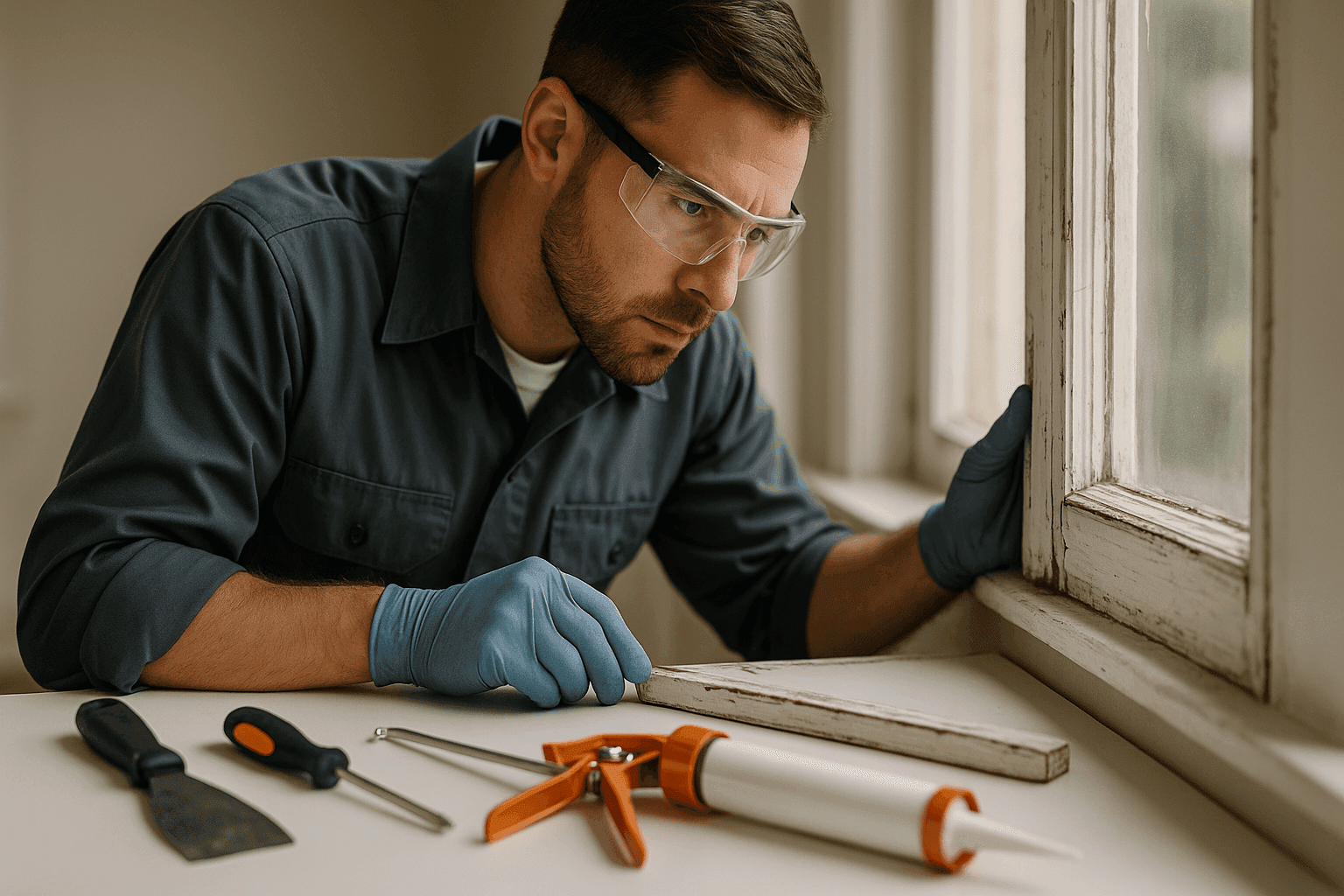
Windows are more than just glass—they’re the eyes of your property. They let in light, keep out the weather, and shape your comfort. When they age or break, deciding between repair and replacement can feel like a crossroads.
That’s where a clear process makes all the difference. At CMA Windows, we guide homeowners and business owners through these decisions every day. Let’s break down the steps, so you can make a choice that’s right for your building and your budget.
The Problem: When Windows Show Their Age or Damage
Sometimes, it’s obvious—a cracked pane, a window that won’t open, or a draft you can’t ignore. Other times, issues sneak up slowly. Fogged glass, peeling frames, or rising energy bills all whisper that something’s wrong.
But not every problem means you need new windows. And not every repair is worth the cost. Here’s how to find your path forward.
Quick Safety Checklist 🛑
Before you do anything else, check for these issues:
- Broken glass: Shards or cracks can be a safety hazard.
- Rotten or soft frames: Press gently—if the wood gives, decay is likely.
- Stuck shut or won’t lock: Security risk, especially on ground floors.
- Visible mold or moisture: Health concern, especially in humid seasons.
- Lead paint on old frames: Homes built before 1978 may have lead-based paint—take extra care.
If you spot any of these, limit use of the window and consider professional help right away.
DIY vs. Call a Pro
Some window problems are like a squeaky hinge—you can fix them with a little elbow grease. Others are more like a flat tire on the highway: best left to someone with the right tools.
DIY Tasks
- Tightening loose hardware
- Lubricating sticky tracks
- Replacing weatherstripping
- Small caulking jobs
Call a Professional
- Large cracks or shattered panes
- Rotten or warped frames
- Persistent condensation between double panes (seal failure)
- Anything involving lead paint or structural integrity
Remember, the International Residential Code (IRC) and the Occupational Safety and Health Administration (OSHA) set guidelines for window repairs, especially in commercial contexts. When in doubt, get a consultation near you.
What Pros Do On Arrival
A CMA Windows technician doesn’t just look—they listen. First, we ask about the window’s history, then:
- Inspect frame, sash, and glass for visible and hidden damage
- Test operation and locking mechanisms
- Check for air or water leaks
- Assess surrounding wall and sill for structural issues
- Use moisture meters or infrared tools for hidden leaks
This thorough diagnosis follows industry standards from groups like the American Architectural Manufacturers Association (AAMA) and the Window & Door Manufacturers Association (WDMA).
Step-by-Step Diagnostic Guide
Let’s walk through the major factors to help you decide:
1. Age of the Windows
- Under 10 years: Most issues can be repaired—unless there’s major structural damage.
- 10–20 years: Evaluate energy performance and hardware wear.
- 20+ years: Replacement often makes more sense, especially for single-pane or aluminum windows.
2. Type and Extent of Damage
- Minor (loose handles, small chips, faded seals): Repair.
- Moderate (fog between panes, stubborn sashes): Depends—compare repair costs to value.
- Major (frame rot, large cracks, repeated leaks): Replacement likely needed.
3. Energy Efficiency
Older windows can be like holes in your wallet. Drafts, fogging, or rattling frames mean energy loss. Modern windows offer better insulation, which can cut heating and cooling costs, according to ENERGY STAR.
4. Cost Considerations
- Repair is usually less expensive up-front, especially for minor issues.
- Replacement costs more initially, but can boost efficiency and property value. Think of it as an investment, not just an expense.
5. Impact on Property Value
Curb appeal matters. New windows can make a building look fresh and modern, which attracts buyers or tenants. In commercial buildings, efficient windows might even reduce insurance costs or improve compliance with local codes.
Comparison: Repair vs Replacement Scenarios
Window Repair
- Good for: Isolated issues, newer windows, minor damage
- Pros: Lower cost, less disruption, preserves original look
- Cons: May not solve deeper problems, repeated repairs add up
Window Replacement
- Good for: Widespread problems, old or inefficient windows, structural issues
- Pros: Improved energy efficiency, updated style, better security, long-term savings
- Cons: Higher initial cost, requires planning, may need permits
Prevention & Maintenance
Think of window care like brushing your teeth—regular effort prevents big problems.
- Clean tracks, frames, and glass regularly
- Check caulking and seals each season
- Lubricate moving parts annually
- Clear weep holes (small drainage points) to prevent water build-up
For commercial buildings, schedule annual inspections to meet safety codes and insurance requirements.
Costs & Time Factors
- Repair: Usually completed in a few hours to a day. Costs vary by damage and materials.
- Replacement: May take one day for a single window, or up to a week for whole-building projects.
Factor in labor, materials, and potential loss of use (especially for businesses). Consultations near you can provide a realistic estimate based on your specific situation.
When It’s an Emergency
Some window issues just can’t wait:
- Broken glass after a storm or break-in
- Windows stuck shut in a fire exit path
- Water leaks during heavy rain
If safety or security is at risk, contact a professional immediately and take steps to secure the area until help arrives.
FAQ
How do I know if condensation between panes means replacement?
Condensation inside double- or triple-pane windows usually means the seal is broken. While some companies offer specialized repair, replacement often provides a longer-lasting solution.
Are there codes I should know about for commercial windows?
Yes. The International Building Code (IBC) and local fire codes may require certain window types, especially for egress or safety glazing. Always consult a professional who understands these regulations.
Can I upgrade just the glass, or do I need a whole new window?
Sometimes, you can replace just the insulated glass unit (IGU) if the frame is in good shape. This is common in both residential and commercial windows.
What’s the lifespan of a typical window?
Most modern windows last 15–30 years, depending on materials, exposure, and maintenance.
Local and Seasonal Considerations 🌦️
Climate can speed up window wear. In humid or coastal areas, wood frames may rot faster. In regions with harsh winters, energy efficiency becomes even more important. For commercial properties, local ordinances may dictate replacement timelines or materials.
Before deciding, always consider how your local weather and community rules might affect the choice.
When it comes to windows, the right decision is the one that keeps your property safe, efficient, and looking its best. Still unsure? Our team can walk you through the options, step by step.
Call CMA Windows now — or reach us anytime at 888-871-6178 .