Emergency Window Repairs: What to Do Before Help Arrives
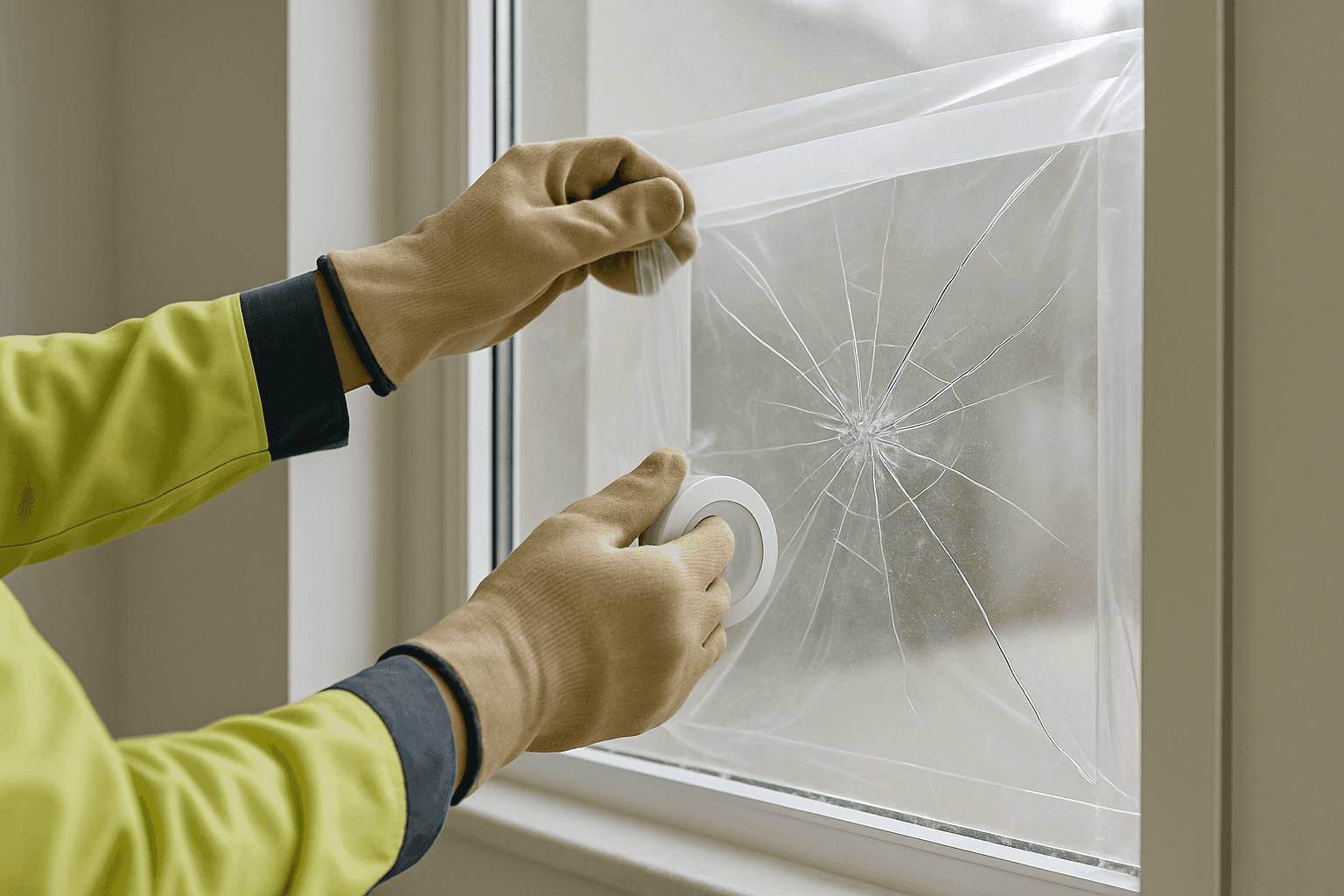
When a window shatters, panic can hit like a gust of cold wind. Whether it’s a storm, a stray ball, or something more sinister, broken glass leaves your property—and your peace of mind—exposed.
At CMA Windows, we know every minute counts. Acting quickly (and safely) can mean the difference between a minor inconvenience and a costly disaster. Here’s what you need to know to protect your family, your employees, and your building until help arrives.
When Windows Fail: The Problem & Scenario
There’s rarely a warning. One moment, your windows are fine. The next, you’re staring at a jagged hole, shards on the floor, and a sense of urgency.
Windows break for many reasons:
- Severe weather: wind, hail, or flying debris
- Accidents: sports, pets, or mishaps during moving
- Break-ins or vandalism
For both homeowners and business managers, the immediate priority is safety. But what comes next? And how do you handle the chaos before professional repair teams can take over?
Quick Safety Checklist 🦺
Broken glass is like spilled marbles—dangerous, unpredictable, and everywhere. Before you even think about cleanup, follow this checklist:
- Keep everyone (especially kids and pets) away from the area.
- Put on thick gloves and closed-toe shoes.
- If the window is at risk of falling further, close off the room if possible.
- Sweep up large shards gently; use a broom and dustpan, never your hands.
- Place broken glass in a sturdy, puncture-resistant container.
- If the damage exposes wiring or water, turn off power and water supply to that area.
- For upper floors, ensure no glass has fallen outside that could endanger passersby.
Following Occupational Safety and Health Administration (OSHA) standards for handling broken glass reduces risk of injury.
Do’s and Don’ts: What to Try, What to Avoid
A broken window can tempt even the handiest person to dive in. But windows are less forgiving than they look.
Do:
- Secure the area. Rope it off, mark it, or use cones if available.
- Use heavy-duty tape to pick up tiny glass slivers (think packing tape, not just masking).
- Cover sharp edges with thick cardboard or towels if children or staff are nearby.
- Document the damage with photos for insurance or property management.
Don’t:
- Don’t attempt to remove large, still-hanging shards. They can fall unpredictably.
- Don’t ignore the frame—if it’s damaged, the risk of collapse is higher.
- Don’t use bare hands, even for “just a quick sweep.”
- Don’t leave the area unattended if it’s accessible to others.
Temporary Stabilization Methods
Think of temporary fixes as a raincoat for your window—better than nothing, but not a substitute for real repairs.
- Plastic Sheeting or Heavy Trash Bags: Tape over the opening using duct or packing tape. Overlap seams and secure to the frame, not just glass.
- Cardboard: Tuck into the frame for added stability, especially if wind is an issue.
- Plywood: For large commercial windows or ground-floor units, plywood offers better security. Use screws into the frame—not just nails or tape.
- Weatherproof Tape: For cracks (not holes), clear weatherproof tape can slow moisture and air leaks.
- Curtains or Blinds: Keep them closed to maintain privacy and deter opportunistic theft.
Remember: These are stopgaps. They won’t restore structural integrity or insulation.
DIY vs. Call a Pro
Some repairs look simple but hide bigger risks. Window frames can be splintered, seals broken, or glass still under tension. Here’s how to decide:
When DIY Might Be Safe:
- Small, single-pane cracks with no frame damage
- Non-urgent situations (e.g., a chip or hairline crack away from corners)
When to Call for Emergency Help:
- Broken or missing panes, shattered glass
- Large cracks, especially in double-pane or tempered glass
- Damaged frames or hardware
- Commercial storefronts or high-traffic areas
Professional technicians have specialized tools, knowledge of local building codes, and materials to ensure your window is safe and secure—restoring both function and peace of mind.
What Pros Do On Arrival 🛠️
When CMA Windows arrives, our first step is always a safety check. Like firefighters assessing a scene, we look for immediate hazards—loose glass, compromised frames, hidden dangers.
Typical professional steps:
- Inspect the damage (glass, frame, surrounding structure)
- Remove loose or hanging shards using industry-standard tools
- Install safety barriers or temporary coverings
- Assess moisture intrusion or insulation loss
- Provide a clear action plan and timeline for full repairs or replacement
We follow International Building Code (IBC) guidelines and local safety regulations to ensure compliance and quality.
Prevention & Maintenance
A little care goes a long way. Windows are the eyes of your property; keep them healthy with routine attention.
- Schedule regular inspections—look for cracks, condensation, or loose seals
- After storms or incidents, inspect all windows, not just the obvious ones
- Keep window locks and latches in good working order
- Trim nearby trees or shrubs to reduce impact risk
- Consider impact-resistant glass for high-risk areas
Regular maintenance reduces the chance of sudden failure—and can help you catch small problems before they grow.
Costs & Time Factors
Emergency repairs don’t have to break the bank, but costs vary depending on several factors:
- Size and type of window (single or double-pane, tempered or laminated)
- Extent of damage to glass and frame
- Accessibility (upper floors, commercial spaces, special installations)
- Time of day—after-hours or holiday calls may incur additional fees
Most emergency stabilization takes 30–90 minutes. Full repairs or replacements may require special-order glass or hardware, which can add days. Always ask for an estimate and expected timeline during your consultation.
When It’s an Emergency 🚨
Not every crack is an emergency. But certain situations demand immediate action:
- Exposed interiors during severe weather
- Security risk after a break-in
- Damage in childcare, healthcare, or public-facing spaces
- Broken windows near electrical or water lines
If you’re unsure, err on the side of caution. A quick call for consultation near you can prevent bigger problems down the road.
FAQ: Common Emergency Window Questions
How do I know if my window is unsafe?
If there are loose shards, damage to the frame, or the window won’t close or lock, it’s unsafe. When in doubt, keep clear and call a professional.
Can I use tape to hold broken glass together?
Tape can help stabilize cracks temporarily, but it won’t hold broken panes. Avoid putting pressure on the glass—tape is for preventing slivers, not structural support.
What should I do if I suspect mold or water intrusion after a break?
Dry the area as best as possible and contact a professional. Mold can develop within 24–48 hours in damp conditions.
Are repairs covered by insurance?
In many cases, accidental or weather-related damage may be covered. Take photos and contact your insurance provider for details.
Local & Seasonal Considerations
Weather swings can turn a minor crack into a major break. In colder months, rapid temperature changes can stress already damaged glass. Heavy rains increase the risk of water intrusion.
If you live in a region with severe storms, consider proactive upgrades—impact-resistant windows, storm shutters, or regular seasonal checkups.
For commercial properties, schedule inspections before peak weather seasons. Keeping a list of emergency contacts (including a reliable window service) on hand can save precious time.
Swift, safe action is your best defense when the unexpected happens. Whether for your home or business, CMA Windows is ready to help—day or night.
Call CMA Windows now — or reach us anytime at 888-871-6178 .